

















































| Reasonable Care |
Reasonable care is the amount of care an average, rational person would take for the safety of oneself and others under particular circumstances.
|
| Reasonable Man Doctrine / Reasonable Man Standard |
The standard a person must follow to avoid being liable for negligence. This is synonymous with reasonable care.
|
| Reasonable Speed |
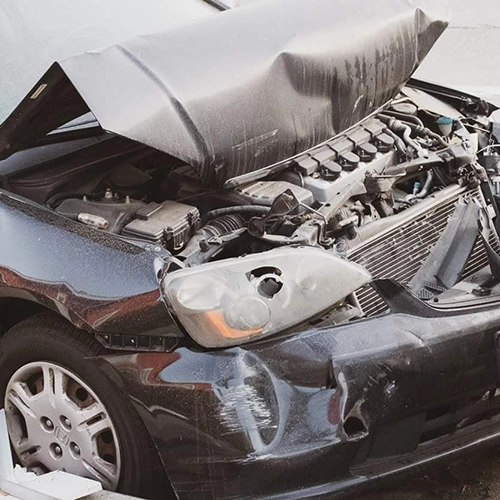
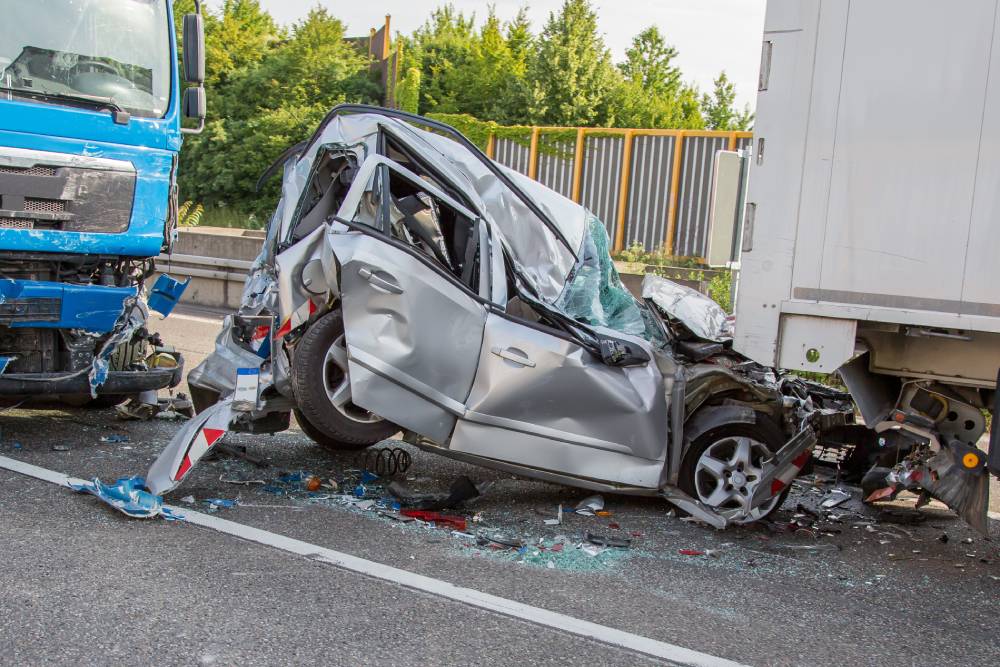
Reasonable speed means the speed a vehicle should reasonably go given roadway conditions at the time. Reasonable speed is lower than the posted speed limit and could be due to icy or rainy conditions, heavy traffic, fog, or other variables. Exceeding reasonable speed could be considered negligence.
|
| Rebuttal |
To counter, disprove or contradict the opposing party's evidence or presumption by introducing new evidence.
|
| Recess |
This is a break in court proceedings until a specified future time.
|
| Reckless Disregard |
Reckless disregard means actions that demonstrated no concern about harm that might come to others. This is gross negligence
|
| Reckless Driving |
Reckless driving is when an individual operates a vehicle in a dangerous and negligent manner. It is a misdemeanor crime.
|
| Record |
To record is to add a document to official records of a county, as in the office of the County Recorder or the Recorder of Deeds.
|
| Recover |
To recover is to receive money as the winning party in a lawsuit.
|
| Recovery |
The recovery is the amount of money or other compensation a winner in a lawsuit receives.
|
| Recusal |
A judge's withdrawal from hearing a lawsuit because of personal interest or prejudice.
|
| Referendum |
When an existing stature is to be repealed or approved, the referendum is the process followed to do so.
|
| Relevant |
Evidence or information that has enough value to prove something significant to a case.
|
| Relief |
Any benefit which a court judgement offers the winning party in a lawsuit.
|
| Reports |
The published decisions of appeals in state and federal courts.
|
| Represent |
To represent is to act for someone else, often as a client's attorney. It can also mean to portray a fact in court.
|
| Representation |
The act of representing someone else, especially as an attorney.
|
| Responsible |
When a personal is legally held liable or accountable for a particular action. It can also mean having the money to pay.
|
| Restitution |
To provide restitution is to return goods or provide compensation for a loss. This is sometimes in response to cases of negligence.
|
| Result |
The final outcome of a lawsuit.
|
| Reversal |
In an appeal ruling, this is the court's decision that the incorrect winner prevailed in a lower court's judgement and the ruling is therefore reversed.
|
| Review |
When an appellate court evaluates a lower court judgment to see if there were enough legal errors to merit reversing that judgement.
|
| Right |
When a person is entitlement to something including intangibles like justice or tangibles like goods or money.
|
| Risk of Loss |
Risk of loss is what an insurance company agrees to when it covers an individual or their property against damage or loss.
|
| Rule |
A legal decision by a court, or the judicial command that follows it.
|
| Ruling |
The legal decision in a court case.
|