
Where injured people are taken after a crash in Athens.
Piedmont Athens Regional is the state-designated trauma center for Northeast Georgia. Here’s where the ambulance usually goes, which hospital has your records, and how to get them for your claim. Zero fee unless we win.
No Upfront Cost · No Fees Unless We Win · Available 24/7 · $5B+ Recovered · 300,000+ Clients · 45 Years · 9 Offices
Where do ambulances take people after a crash in Athens?
In Athens-Clarke County, 911 medical calls are answered by a private ambulance company under contract with the hospitals, and people with serious crash injuries are usually taken to Piedmont Athens Regional on Prince Avenue. The state designates it a Level II trauma center, the only one in the Athens area. The crew decides where each patient goes.
Maybe you got the call every family dreads, or maybe you’re the one who woke up in an emergency room not sure how you got there. Either way, there are questions nobody answered in the rush: which hospital, which ambulance, who has the paperwork. If someone is hurt right now, call 911. This page is for the days after, when you’re trying to put the pieces together.
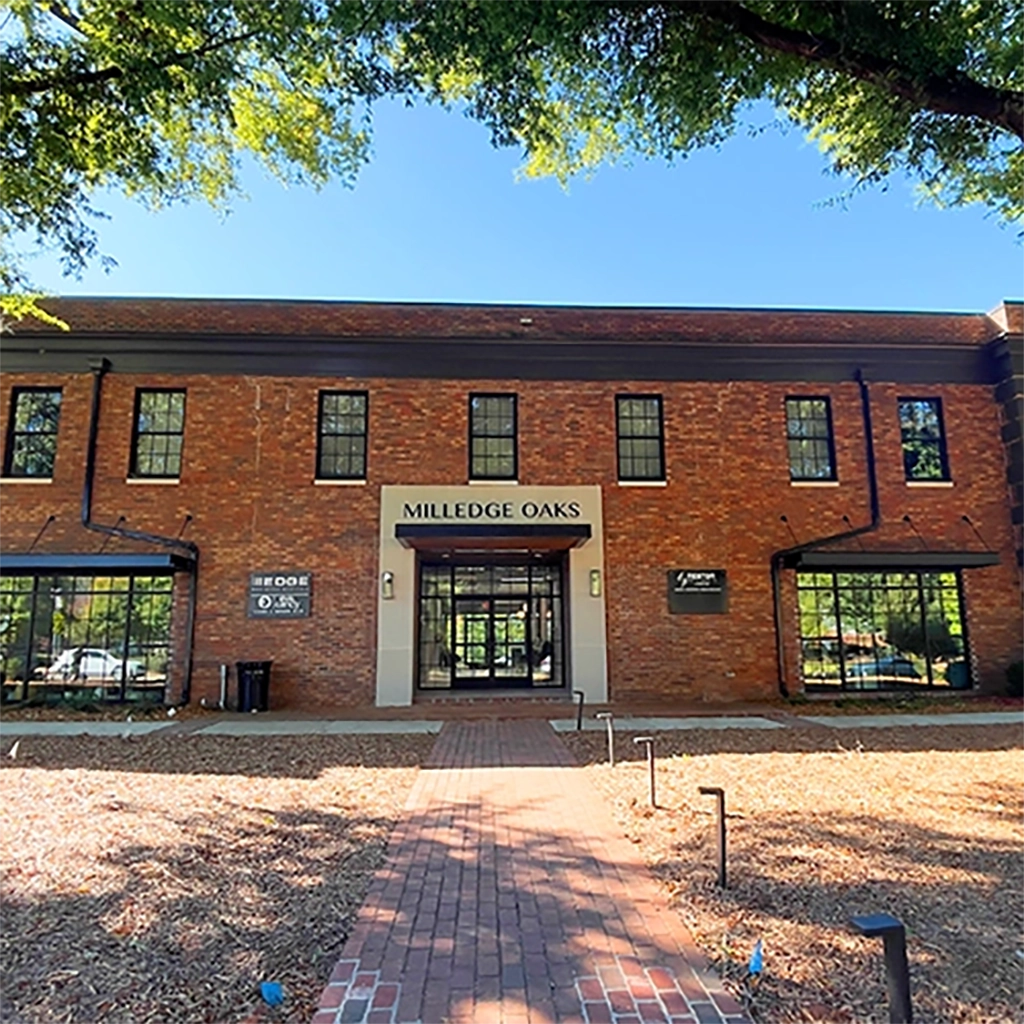
Kenneth S. Nugent, P.C. has represented injured Georgians since 1980, and our Athens office on South Milledge Avenue helps crash victims gather their medical records as part of every claim. We don’t give medical advice, and nothing here should change what your doctors tell you. The consultation is free, and there’s zero fee unless we win.
Don’t sign a medical authorization or any other form the other driver’s insurance company sends you before you’ve talked with an attorney.
Which hospitals serve Athens and Northeast Georgia?
Piedmont Athens Regional on Prince Avenue is the state-designated Level II trauma center for the Athens area. St. Mary’s Hospital on Baxter Street runs a 24-hour emergency department but is not a designated trauma center. The nearest Level I centers are in Gainesville and Atlanta. The ambulance crew chooses based on the injuries, not the closest address.
| Hospital | Where | What it offers |
|---|---|---|
| Piedmont Athens Regional | 1199 Prince Avenue, Athens | Level II trauma center, designated by the Georgia Department of Public Health. The usual destination for serious crash injuries in Clarke County. |
| St. Mary’s Hospital | 1230 Baxter Street, Athens | Emergency care around the clock, with stroke and chest pain certifications. Not a designated trauma center. |
| Northeast Georgia Medical Center | Gainesville | Level I trauma center, the closest one to Athens |
| Grady Memorial Hospital | Atlanta | Level I trauma center |
| Piedmont Walton | Monroe | Level III trauma center, west of Athens on the US 78 corridor |
The hospital names and trauma levels above come from the state’s list of designated trauma centers, updated in October 2026, and from the hospitals’ own pages. Hospitals change services over time, so if you’re unsure where a loved one was taken, call the hospital directly or ask the agency that worked the crash.
Campus adds one more stop. A student with minor injuries may be seen at the University Health Center rather than an emergency room, and those records live with the university, not with either hospital. A serious crash on campus still goes to Piedmont Athens Regional. Our guide to crashes near the UGA campus covers who responds there.
What does a Level II trauma center mean for you?
A trauma center is a hospital set up to treat the most serious injuries quickly, with a trauma team ready. Georgia designates them by level. A Level II center handles severe injuries much as a Level I center does, without the research and teaching duties. For an Athens family, a bad wreck on Loop 10 is treated close to home.
The worst injuries can still mean a transfer. Severe burns, some spinal cord injuries and complex pediatric cases may be moved to a Level I center in Gainesville or Atlanta after the trauma team stabilizes the patient. If that happens, there will be two hospitals’ worth of records, and two billing offices, to gather later.
How do you get the records for your claim?
Most crash claims need two sets of records: the ambulance run report and bill, and the hospital records. Both Athens hospitals ask for a signed authorization form and a copy of your photo ID. St. Mary’s allows five to seven working days and charges a small fee. Piedmont takes requests by fax, email or its patient portal.
| Record | Who usually has it | How to ask |
|---|---|---|
| Ambulance run report, which shows what the crew saw and did | The ambulance company that answered the 911 call in Athens-Clarke, or the EMS service for the county where you crashed | Ask the ambulance company for your patient care report and bill |
| Emergency room and hospital records | The hospital’s medical records department | Piedmont Athens Regional: the authorization form plus photo ID, by fax, email or the patient portal. St. Mary’s: the release form plus photo ID, by mail, fax or email to Health Information Management at 1230 Baxter Street. |
| Scans and X-ray images | The hospital that took them | Ask for the images along with the written reports |
| Itemized bills | The hospital, the ambulance company and each doctor’s group | Ask each billing office for an itemized statement |
If you’re gathering records for a family member who can’t sign for themselves, the hospital will ask for proof that you have the legal right to act for them. St. Mary’s lists a patient letter, a court order, a power of attorney or a next-of-kin affidavit. Ask the medical records department which form it needs before you send anything, so the request isn’t sent back.
Keep every discharge paper, prescription and follow-up appointment card. Write down the names of the doctors and therapists you see after the hospital. Gaps in treatment are one of the first things an insurance company looks for, and a missed follow-up can be used to argue you weren’t really hurt.
Georgia law can also let a hospital or ambulance service place a lien on your injury claim for unpaid bills. Our Law Library page on hospital liens on a Georgia injury claim explains how that works. It’s one more reason not to settle anything quickly. Who gets paid from a settlement, and in what order, should be sorted out before you sign.
Hurt in a crash and treated at an Athens hospital? Call us today at 706-707-5611. We’ll help you gather the records and figure out what your claim is worth.
Why the medical records matter so much
Your medical records tell the story of your injury in a way the insurance company has to take seriously. The ambulance report shows how you looked at the scene. The trauma team’s notes show how serious it was. The follow-up records show how long it’s taking to heal. Together, they turn “I’m hurting” into proof.
For a wreck between cars, our page on car accident claims after a hospital stay walks through what happens next. A head injury that seemed minor at the scene deserves a look at brain injuries after an Athens crash, because a clean scan does not always mean no injury. And if a loved one didn’t survive, read about wrongful death claims for Northeast Georgia families, which follow their own rules. The medical records and the crash report work together, and our guide on getting your Athens-Clarke crash report covers the other half.
What should you do this week?
- Follow your doctors’ instructions and keep every follow-up appointment.
- Keep every discharge paper, prescription receipt and bill in one folder.
- Write down which hospital you went to, the ambulance company and the agency that worked the crash.
- Don’t sign a medical authorization from the other driver’s insurance company. It can open up your whole medical history.
- Call 706-707-5611 and talk with the Athens injury attorneys on Milledge Avenue. Don’t give a recorded statement or sign anything first.
Our Athens office is at 394 South Milledge Avenue, a few minutes from both hospitals. The consultation is free, you pay nothing up front, and there’s zero fee unless we win.
What do these terms mean?
- Trauma center. A hospital designated by the state to treat severe injuries, with a trauma team ready around the clock.
- Level II trauma center. A trauma center that offers care much like a Level I center, without the same research and teaching requirements.
- EMS run report. The ambulance crew’s written record of what they found and what care they gave.
- Medical authorization. A signed form that lets someone else get copies of your medical records.
- Health Information Management. The hospital department that keeps and releases medical records. Some hospitals call it Medical Records.
- Lien. A legal claim on money you recover, such as a hospital’s claim for unpaid bills.
You pay NOTHING unless we win. Contact us for a FREE consultation.

HOW TO START YOUR CASE
Athens hospitals
Emergency care
Piedmont Athens Regional, 1199 Prince Avenue, Level II trauma center
St. Mary’s Hospital, 1230 Baxter Street, 24-hour emergency department
Northeast Georgia Medical Center, Gainesville, Level I
Records
Authorization form plus photo ID at both hospitals
St. Mary’s: five to seven working days, small fee
Ambulance report: from the EMS company that answered the call
Our Athens office
Athens office for crash victims and their families
More Athens guides
finding your crash report in Athens-Clarke
Clarke County claim deadlines
campus crashes on Baxter and Lumpkin
drunk driving and rideshare crashes downtown
truck wrecks on the Athens Perimeter
apartment and student housing injuries
Winterville crash claims
Still in the hospital, or just home? One Call, That’s All — Kenneth S. Nugent
Tell us which hospital you went to and what happened. We’ll gather the records, handle the hospital’s billing office, and deal with the insurer so you can focus on getting better.
We answer around the clock, the consultation is free, and there’s zero fee unless we win.
Don’t sign anything from an insurance company before you talk to us.
100% Confidential · No Obligation · No Fees Unless We Win · Available 24/7