











































| Negligence |
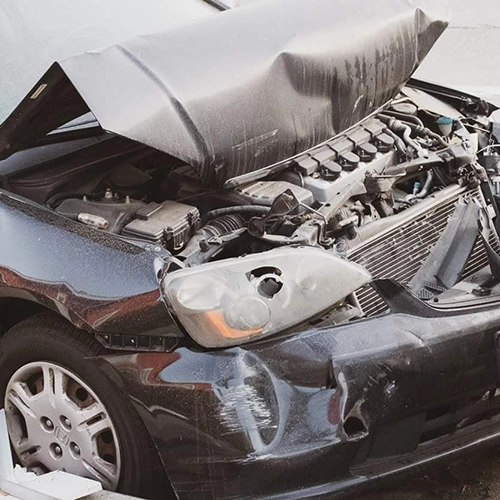
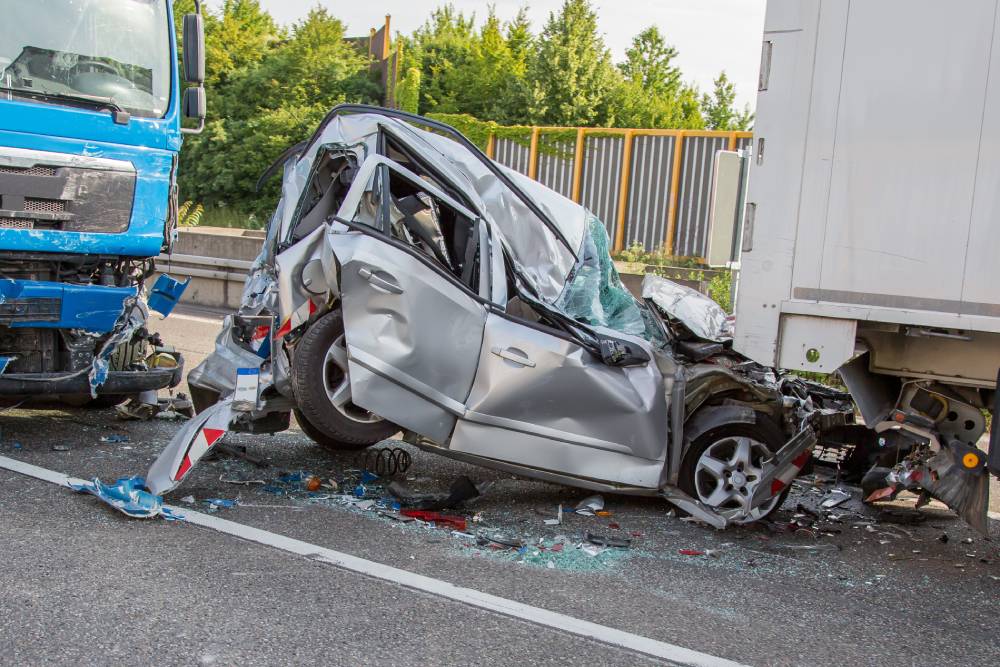
Negligence is committed when a person accidentally fails to exercise reasonable care in particular circumstances, which results in injury or damage to someone else or their property.
|
| Negligence Per Se |
This is when a public duty is violated and negligence occurs.
|
| Negligent |
What a person is who is being careless and not responsible.
|
| Negotiation |
In dispute settlement, this is discussion designed to reach a mutual agreement.
|
| Next of Kin |
This is the nearest blood relatives to the deceased, including the surviving spouse.
|
| Nihil |
This is a Latin term meaning nothing. The common word "nil" comes from it.
|
| Nisi Decree |
This is an order that is temporary, but will become final unless the situation changes in some way.
|
| No Fault Insurance |
No Fault is a form of mandatory automotive insurance for many states. With no fault insurance, accident victims are paid basic damages by the company that insured the vehicle in which they were driving or, if they were a pedestrian, by which they were hit. Damages are limited to actual medical and rehabilitation expenses, lost wages and necessary expenses with a low maximum and for a limited period. The states that require no fault insurance include: New York, Michigan, Massachusetts, Arkansas, Colorado, Connecticut, Delaware, Florida, Georgia, Hawaii, Kansas, Kentucky, Maryland, Minnesota, New Jersey, North Dakota, Oregon, South Carolina, South Dakota and the District of Columbia.
|
| Nominal Damages |
When a plaintiff in a lawsuit is awarded a small compensation to show he/she was right the no actual damage was done, he or she receives nominal damages.
|
| Non-feasance |
When an employee fails to do an agreed-upon task for an employer.
|
| Non Sequitur |
This term is Latin and means "it does not follow," as in one conclusion does not logically follow from another fact or facts.
|
| Non-Jury Trial / Bench Trial |
This refers to trial before a judge but without a jury. In a bench trial, the judge decides questions of law and questions of fact.
|
| Non-Moving Party |
The party to a lawsuit that is not presenting a motion to the court, and therefore cannot oppose the motion.
|