
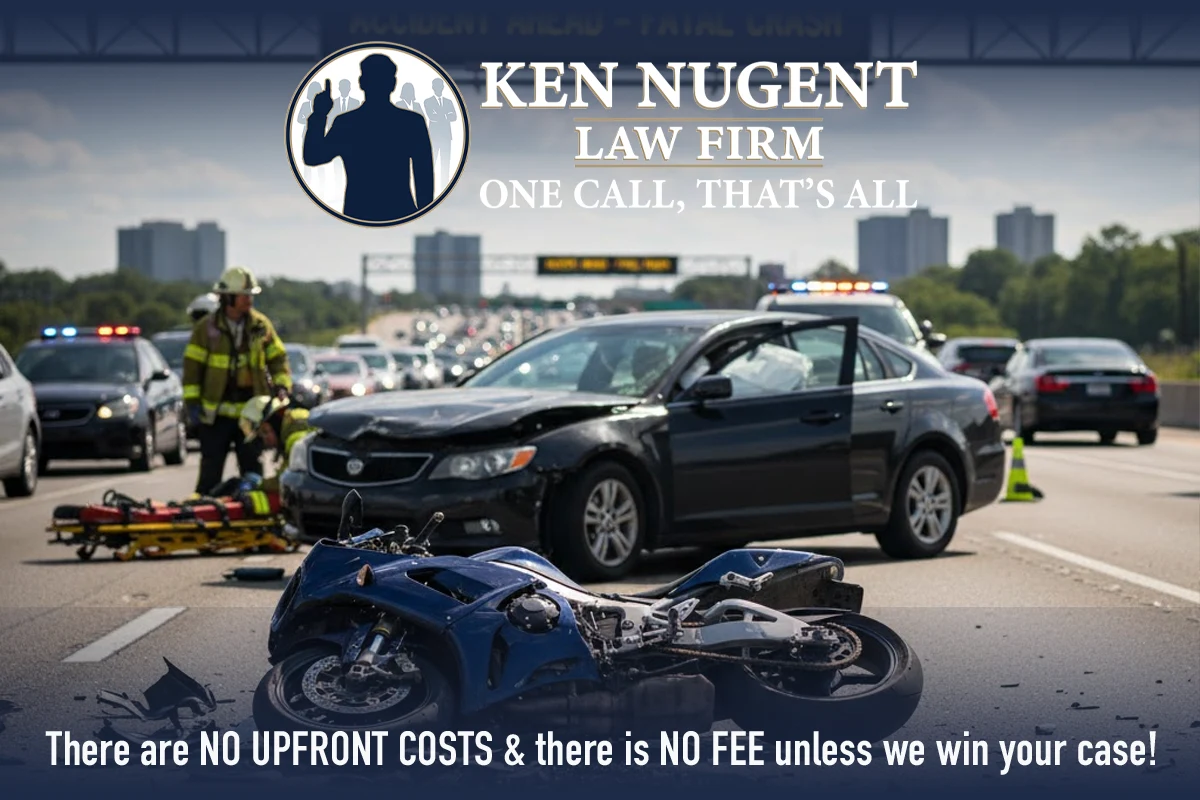
After a motorcycle accident in Augusta, you face two critical decisions: how to heal and who will represent your legal interests. While we can’t help with the first—that’s between you and your medical team—we can provide honest guidance on the second.
Choosing the right motorcycle accident lawyer affects not just your settlement amount, but your entire experience during one of the most stressful periods of your life. The wrong attorney can leave you with inadequate compensation, unanswered questions, and regret. The right attorney becomes your advocate, your adviser, and sometimes the difference between financial recovery and financial ruin.
As Augusta motorcycle accident lawyers, we believe you deserve transparent information about what to look for, what questions to ask, and what red flags to avoid. This guide isn’t about convincing you to hire our firm—it’s about equipping you to make an informed decision about any attorney you consider.
Why Attorney Selection Matters More in Motorcycle Cases
Before diving into selection criteria, it’s important to understand why choosing the right lawyer is especially critical for motorcycle accident victims.
The “Biker Bias” Challenge
Many insurance adjusters, jurors, and even some attorneys harbor unconscious biases against motorcyclists. They assume riders are reckless, that accidents are always the rider’s fault, or that injuries are exaggerated. Your attorney must know how to combat these biases with evidence, empathy, and effective storytelling.
An experienced motorcycle accident attorney understands:
- How to present you as a responsible rider
- Which safety gear details strengthen your case
- How to counter stereotypes with facts
- Why motorcycle-specific injury knowledge matters
An attorney who primarily handles car accidents may not recognize these challenges or know how to address them effectively.
Higher Stakes, More Complex Cases
Motorcycle accidents typically involve more severe injuries than car accidents. According to the National Highway Traffic Safety Administration, motorcyclists are 28 times more likely to die in a crash than car occupants per vehicle mile traveled. In Augusta, where Highway 1, I-20, and Bobby Jones Expressway see heavy motorcycle traffic, these statistics become personal tragedies.
Your attorney must handle:
- Catastrophic injury claims (spinal injuries, amputations, traumatic brain injuries)
- Multiple liable parties (drivers, manufacturers, road maintenance entities)
- Complex medical evidence and life care planning
- Substantial future damage calculations
Generic personal injury experience doesn’t automatically translate to the specialized knowledge motorcycle cases demand.
Essential Criteria: What Every Motorcycle Accident Lawyer Should Have
Let’s start with the non-negotiables—the baseline qualifications any Augusta motorcycle accident attorney should possess.
1. Georgia Bar License in Good Standing
This seems obvious, but verify it. Every attorney licensed in Georgia appears in the State Bar’s online directory. Check:
- Current active status
- Any disciplinary actions
- Years licensed (not just “years of experience”)
- Whether they’re authorized to practice in Georgia courts
Red flag: An attorney who cannot provide their Bar number or hesitates when asked about disciplinary history.
2. Actual Trial Experience (Not Just “Willing to Go to Trial”)
Many attorneys advertise they’re “not afraid to go to trial,” but when you dig deeper, they’ve tried very few cases. Insurance companies know which attorneys actually try cases and which always settle—and they adjust their offers accordingly.
Questions to ask:
- How many personal injury cases have you taken to verdict?
- What were the outcomes of your last five trials?
- When was your most recent trial?
- Have you tried motorcycle accident cases specifically?
What you want to hear: Specific numbers, dates, and case types. An attorney who has tried at least 10-15 cases to verdict in the past 5 years demonstrates genuine courtroom experience.
Red flag: Vague answers like “many” or “I don’t keep count” or immediately pivoting to talk about settlements instead of trials.
3. Insurance in Place (Professional Liability)
Georgia attorneys must carry malpractice insurance or notify clients in writing if they don’t. While insurance doesn’t guarantee competence, it does provide protection if something goes wrong.
Question to ask: “Do you carry professional liability insurance?”
What you want to hear: A clear “yes” with no hesitation.
Red flag: Defensiveness, evasion, or suggesting insurance doesn’t matter.
4. Resources to Handle Your Case Properly
Motorcycle accident cases require financial investment before any settlement or verdict. Your attorney needs resources for:
- Accident reconstruction experts ($5,000-$15,000)
- Medical experts to establish causation and future needs ($3,000-$10,000 per expert)
- Vocational experts for lost earning capacity ($2,500-$7,500)
- Life care planners for catastrophic injuries ($5,000-$20,000)
- Motorcycle mechanics to analyze defects ($2,000-$8,000)
Small or solo practices without adequate resources may pressure you to settle early to avoid these costs.
Questions to ask:
- How will case expenses be handled?
- Do you have established relationships with experts?
- What’s your typical case investment before settlement?
What you want to hear: Clear explanation of how expenses work, mention of specific experts they use, and willingness to invest what’s necessary.
Red flag: Reluctance to discuss expenses, suggestions that experts “aren’t usually necessary,” or pressure to settle quickly.
Specialized Knowledge: The Motorcycle-Specific Difference
Beyond general qualifications, look for motorcycle-specific expertise that separates truly qualified attorneys from those who just handle “motor vehicle accidents.”
Understanding Motorcycle Dynamics and Crashes
A qualified motorcycle accident attorney should understand:
Basic Motorcycle Operations:
- How countersteering works
- Why motorcycles are less visible to drivers
- Stopping distances compared to cars
- How weight distribution affects handling
Common Motorcycle Crash Scenarios:
- Left-turn accidents (leading cause)
- Lane-splitting conflicts (where legal/relevant)
- Road hazard impacts (gravel, potholes, debris)
- Rear-end collisions and ejection dynamics
- Sideswipe crashes in blind spots
Augusta-Specific Hazards:
- Highway 1/Deans Bridge Road high-speed corridors
- Bobby Jones Expressway merge dangers
- I-20 construction zones and surface conditions
- Riverfront area tourist traffic conflicts
Why this matters: An attorney who understands motorcycle dynamics can effectively question the at-fault driver, challenge their version of events, and explain to a jury why the motorcyclist couldn’t have avoided the crash.
Questions to ask:
- Have you handled motorcycle accident cases in Augusta specifically?
- Are you familiar with common motorcycle crash causation?
- Do you ride or have personal motorcycle experience?
Note: You don’t need an attorney who rides, but they should demonstrate genuine knowledge, not just Google-level familiarity.
Knowledge of Motorcycle-Specific Injuries
Motorcycle crashes produce injury patterns distinct from car accidents:
Common Motorcycle Injuries:
- Road rash and degloving injuries
- Biker’s arm (brachial plexus injuries)
- Lower extremity fractures (legs, ankles, feet)
- Traumatic brain injuries despite helmets
- Thoracic and abdominal trauma
- Psychological trauma (PTSD, riding anxiety)
Your attorney should understand:
- Why road rash isn’t “just scrapes”
- How protective gear (or lack thereof) affects injury presentation
- The long-term implications of brachial plexus damage
- Why some injuries appear days after the crash
Questions to ask:
- What are the most common serious injuries you see in motorcycle accidents?
- How do you establish the full extent of road rash damage for compensation?
- Have you worked with physicians who specialize in motorcycle trauma?
What you want to hear: Specific medical terminology, acknowledgment of both immediate and delayed injury manifestations, understanding of psychological trauma alongside physical injuries.
Familiarity with Motorcycle Equipment and Defects
Sometimes the motorcycle itself, safety gear, or road conditions contribute to the crash or injuries. Your attorney should know:
Equipment Issues:
- Helmet standards (DOT, SNELL, ECE)
- Protective gear ratings (CE certification)
- Motorcycle defect patterns (brakes, tires, throttle)
- Aftermarket modification implications
Why this matters: If defective brakes contributed to your crash, you may have claims against the manufacturer or mechanic. If your helmet failed, the helmet manufacturer might be liable. If road debris caused your crash, the entity responsible for road maintenance could be a defendant.
Questions to ask:
- Have you handled cases involving motorcycle defects?
- Do you work with motorcycle mechanics or engineers for case investigation?
- How do you evaluate whether protective gear performed properly?
Track Record: Looking Beyond Marketing Claims
Every law firm website claims they’re the “best,” “most experienced,” and get “maximum results.” How do you separate marketing from reality?
Evaluating Case Results
Most attorneys advertise their highest settlements and verdicts. While impressive numbers demonstrate capability for large cases, they don’t tell the whole story.
Better questions to ask:
- What percentage of your motorcycle accident cases go to trial?
- What’s your average settlement compared to initial insurance offers?
- Can you provide examples of cases similar to mine and their outcomes?
- Have you handled cases with injuries similar to mine?
What you want to hear: Willingness to discuss both successes and challenges, specific examples relevant to your situation, honest assessment of your case’s strengths and weaknesses.
Red flag: Only talking about wins, guaranteeing specific outcomes, or claiming they “never lose.”
Understanding Settlement vs. Trial Results
Many attorneys boast about “millions recovered” through settlements. While settlements are often appropriate, you want an attorney whose reputation pushes insurance companies toward fair offers.
Key insight: Insurance companies track which attorneys actually try cases. They offer more to attorneys with genuine trial experience because they know low offers will be rejected and the case will go to court.
Questions to ask:
- How do you decide whether to recommend settlement or trial?
- What percentage of your cases settle vs. go to verdict?
- When was your most recent trial?
What you want to hear: Balanced approach mentioning both options, recent trial experience, client-centered decision-making process.
Verifying Credentials and Results
Don’t just take an attorney’s word for their qualifications and results:
How to verify:
- Georgia Bar disciplinary records (publicly available)
- State and federal court records (available online)
- Third-party rating systems (Super Lawyers, Best Lawyers, Martindale-Hubbell)
- Client reviews on neutral platforms (Google, Avvo)
Remember: While positive reviews are good signs, look for patterns in negative reviews. Every attorney occasionally has an unhappy client, but consistent complaints about communication, settlement pressure, or professionalism are red flags.
Communication and Compatibility: The Often-Overlooked Factor
You might spend months or years working with your attorney. Technical competence matters, but so does the working relationship.
Assessing Communication Style
During your initial consultation, evaluate:
Responsiveness:
- How quickly did they return your call or email?
- Did you speak with the attorney or only staff?
- Were your questions answered or deflected?
Clarity:
- Did they explain legal concepts in understandable terms?
- Did they use jargon without explanation?
- Did you feel talked down to or respected?
Listening:
- Did they interrupt or let you tell your story?
- Did they ask clarifying questions?
- Did they address your specific concerns?
Trust your gut: If you felt rushed, dismissed, or talked over during the consultation, those feelings likely won’t improve once you’re a client.
Understanding the Team Structure
Most personal injury firms operate with teams, not individual attorneys handling everything. This isn’t necessarily bad, but you should understand:
Questions to ask:
- Will you personally handle my case or will it be assigned to another attorney?
- Who will I communicate with regularly?
- If you have a team approach, who are the team members?
- What’s your typical response time for client calls or emails?
What you want to hear: Clear explanation of who does what, reasonable expectations for response times (24-48 hours for non-urgent matters), and assurance you’ll have access to the lead attorney for important decisions.
Red flag: Vague answers, suggesting you’ll “barely need to talk to anyone,” or inability to explain the team structure.
Setting Expectations About Your Role
Good attorneys set clear expectations about what you’ll need to do:
Client responsibilities typically include:
- Attending all medical appointments and following treatment plans
- Providing requested documents promptly
- Being honest about the accident and injuries
- Keeping the attorney updated on developments
- Being available for depositions and court appearances
Questions to ask:
- What do you need from me to build a strong case?
- How involved will I be in the process?
- What are the most common mistakes clients make?
What you want to hear: Clear explanation of mutual responsibilities, emphasis on medical treatment compliance, and honest discussion of how client actions can affect outcomes.
What Should Be in Writing
Georgia requires contingency fee agreements to be in writing. Your fee agreement should clearly state:
- Percentage at each stage (settlement, trial, appeal)
- How expenses are handled
- What happens if you fire the attorney or they withdraw
- How liens (medical bills, insurance subrogation) are handled
- Whether the attorney will advance all costs
Red flag: Pressure to sign without time to review, reluctance to explain fee terms, or suggesting the fee agreement isn’t important.
Red Flags: Warning Signs to Avoid
Some warning signs indicate you should look elsewhere:
High-Pressure Tactics
Red flags:
- Pressure to sign immediately (“This offer expires today”)
- Calling repeatedly or showing up at your home uninvited
- Claiming other attorneys are “working for the insurance companies”
- Guaranteeing specific settlement amounts
Why it matters: Ethical attorneys understand you need time to make an informed decision. High-pressure tactics suggest desperation for clients or unethical practices.
Unrealistic Promises
Red flags:
- “We’ve never lost a case”
- “I guarantee you’ll get X amount”
- “Your case will definitely settle in 3 months”
- “The insurance company always pays what we demand”
Why it matters: Every case involves uncertainty. Attorneys who make guarantees are either lying or inexperienced. Ethical attorneys discuss likely ranges and realistic timelines, not certainties.
Poor Communication During Consultation
Red flags:
- Doesn’t return calls or takes weeks to schedule consultation
- Consultation is with a “case manager” not an attorney
- Spends more time talking about themselves than listening to you
- Can’t answer basic questions about your case type
Why it matters: Communication problems during the courtship phase only get worse after you sign. If they don’t prioritize you as a potential client, they won’t prioritize you as an actual client.
No Physical Office in Georgia
Red flags:
- Only meets at your home or coffee shops
- No physical office address
- Out-of-state attorney planning to handle your Georgia case
- Virtual-only practice with no local presence
Why it matters: While some legitimate attorneys work remotely, Georgia motorcycle accident cases require local court appearances, depositions in Augusta, and familiarity with local judges, opposing counsel, and medical providers. Out-of-state attorneys typically refer to local counsel, meaning you’d be paying two law firms.
Questionable Marketing
Red flags:
- Soliciting you directly after learning of your accident
- Sending “runners” to the hospital or your home
- Advertising that violates Bar rules (check www.gabar.org)
- Negative reviews describing unethical behavior
Why it matters: Attorneys who violate advertising ethics or employ runners often have other ethical problems. These tactics are also illegal in Georgia.
Questions to Ask During Your Consultation
Come to your consultation prepared with specific questions. Here’s a comprehensive list:
About the Attorney’s Experience
- How many motorcycle accident cases have you handled?
- What percentage of your practice focuses on motorcycle accidents?
- How many motorcycle cases have you tried to verdict?
- When was your most recent trial?
- Have you handled cases with injuries similar to mine?
- Are you familiar with Augusta-specific accident locations and hazards?
About Your Specific Case
- What are the strengths of my case?
- What challenges or weaknesses do you see?
- What is the likely range of compensation?
- How long do you expect my case to take?
- Will we likely settle or go to trial?
- Who do you think is liable based on what I’ve told you?
About the Process
- What will happen next if I hire you?
- What do you need from me?
- How often will I receive updates?
- Who will be my primary contact?
- What’s your typical response time?
- How will you investigate my crash?
- What experts might we need?
About Fees and Costs
- What is your contingency fee percentage?
- Does it increase if we go to trial?
- How are case expenses handled?
- Will I owe anything if we don’t win?
- Are there any hidden fees?
- How do you handle medical liens and insurance subrogation?
About Their Practice
- How many cases do you currently handle?
- Will you personally handle my case?
- Who else will work on my case?
- Do you carry malpractice insurance?
- Can you provide references from past motorcycle accident clients?
Trust your instincts: An attorney who becomes defensive, evasive, or annoyed by these questions probably isn’t right for you. A confident, competent attorney welcomes informed clients.
Making Your Decision: A Practical Framework
After meeting with several attorneys, use this framework to make your decision:
Create a Comparison Chart
List each attorney you’ve consulted with and rate them (1-5 scale) on:
- Motorcycle-specific experience
- Trial experience
- Resources (expert relationships, case investment capability)
- Communication quality during consultation
- Personal compatibility
- Fee structure favorability
- Office location/convenience
- Overall confidence level
The 48-Hour Rule
Don’t decide during or immediately after the consultation. Take at least 48 hours to:
- Review your notes
- Research their background
- Check references
- Discuss with family
- Trust your gut
Warning: Beware the “First Attorney” Bias
Many people hire the first attorney they consult with, especially if that attorney was referred by someone they trust. While referrals are valuable, meet with at least 2-3 attorneys before deciding. You might discover the first one wasn’t as qualified as you thought.
The “Sleep on It” Test
Before signing, ask yourself:
- Do I feel confident this attorney can win or settle my case fairly?
- Do I trust them to prioritize my interests?
- Will I feel comfortable calling them with questions?
- Did they demonstrate the expertise I need?
- Are the fees fair and clearly explained?
If you’re hesitating or have doubts, keep looking.
What to Expect from Kenneth S. Nugent, P.C.
We believe the best clients are informed clients. If you’re considering our firm for your Augusta motorcycle accident case, here’s what you should know:
Our Motorcycle Accident Experience
- Decades of representing motorcycle accident victims across Georgia
- Experience with the full spectrum of motorcycle crash types and injuries
- Relationships with Augusta-area medical providers who understand motorcycle trauma
- Track record with cases involving multiple liable parties and complex liability
Our Approach
- Free consultation where you meet with an attorney, not a paralegal
- Transparent discussion of your case’s strengths and challenges
- Clear explanation of fees and expenses in writing
- Regular communication (we return calls within 24 hours for urgent matters)
- Willingness to take cases to trial when fair settlement isn’t offered
Our Resources
- Established relationships with accident reconstruction experts
- Access to medical experts across specialties
- Financial capacity to invest in expert testimony and evidence
- In-house investigation team for accident scene analysis
Our Commitment
- You make the final decision on settlement vs. trial
- No pressure to settle for less than your case is worth
- Honest assessment of risks and likely outcomes
- Respect for your intelligence and judgment
The Bottom Line: Trust Your Judgment
Choosing the right Augusta motorcycle accident lawyer is one of the most important decisions you’ll make after your crash. The wrong attorney can cost you tens or hundreds of thousands of dollars in lost compensation. The right attorney can make the difference between financial recovery and financial struggle.
Don’t choose based solely on:
- The biggest advertisement
- The flashiest website
- Who called you first
- The highest advertised settlement
Do choose based on:
- Motorcycle-specific experience
- Genuine trial experience
- Personal compatibility
- Clear, fair fee arrangement
- Demonstrated knowledge during consultation
- Your instincts after meeting with them
You deserve an attorney who sees you as an individual with a unique story, not just another case file. You deserve transparency about your case’s value, risks, and likely timeline. You deserve someone who will fight for full compensation, not just the easy settlement.
If you’ve been injured in a motorcycle accident in Augusta or anywhere in Georgia, we invite you to schedule a free consultation with Kenneth S. Nugent, P.C. Call (706) 806-9889.
Whether you ultimately choose our firm or another, we hope this guide helps you make an informed decision. Your recovery—both physical and financial—depends on it.
The information in this article is for educational purposes and does not constitute legal advice. Every motorcycle accident case is unique, and selecting an attorney should be based on your specific needs and circumstances.
 Injured? Call Us Now!