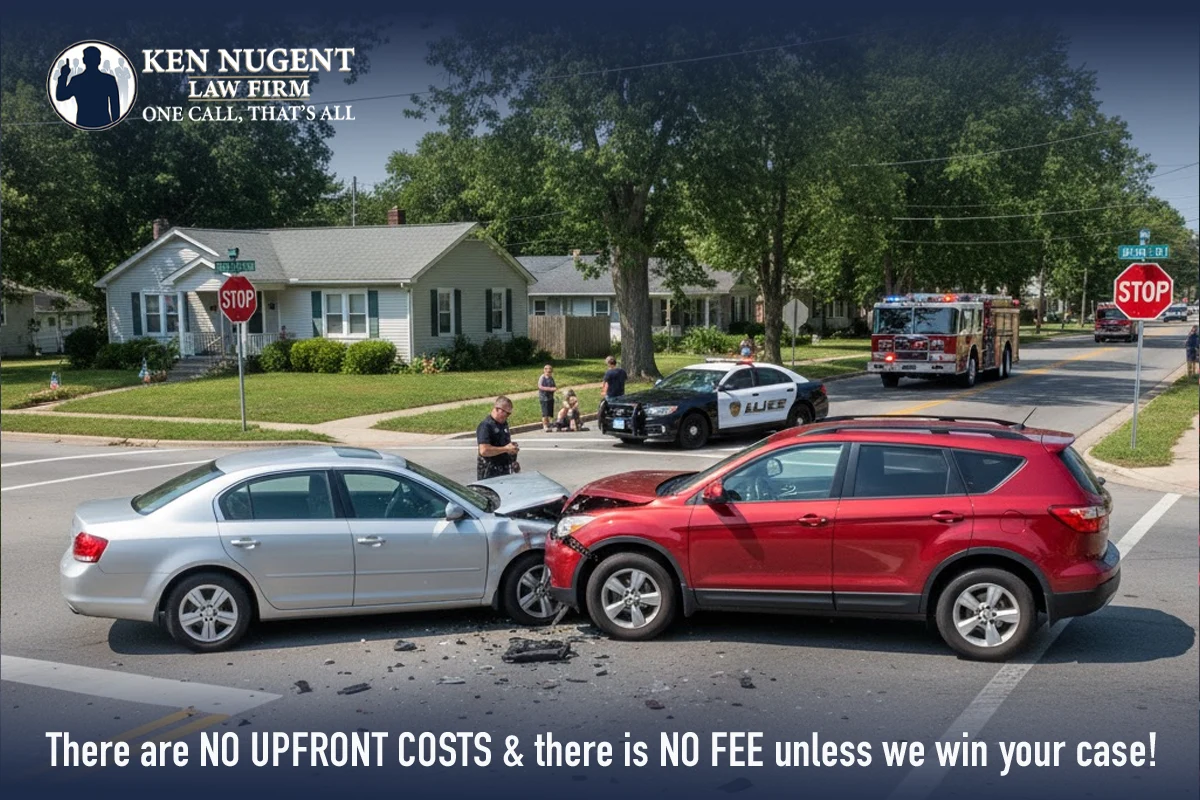
Duluth has grown into Gwinnett County’s second-largest city, and with that growth comes increased traffic congestion and accident risk. Understanding where crashes happen most frequently can help you drive more defensively—and know what to do if you’re involved in a collision at one of these high-risk locations.
As personal injury attorneys who have represented Duluth accident victims for years, we’ve seen firsthand how certain intersections produce a disproportionate number of serious crashes. This guide identifies the most dangerous intersections in Duluth, explains why they’re hazardous, and outlines your legal options if you’ve been injured.
Understanding Duluth’s Traffic Safety Landscape
According to Georgia Department of Transportation (GDOT) data, Duluth recorded 708 motor vehicle accidents in 2021, with 165 of those—nearly one in four—resulting in injuries. While the city reported only one fatality that year, the injury rate tells an important story about crash severity.
These numbers exist within a larger context. Statewide, Georgia reported 1,466 roadway deaths in 2024, with pedestrian fatalities accounting for roughly 20 percent of victims. National trends show some improvement, with traffic deaths declining 6.3 percent in the first quarter of 2025 compared to the same period in 2024. But even with these positive trends, the risk remains real for Duluth drivers navigating the city’s busiest corridors.
The concentration of commercial development, residential growth, and major highway access has created traffic patterns that demand constant vigilance. Several intersections stand out as particularly dangerous based on crash frequency and severity data collected over the past several years.
Duluth’s Most Dangerous Intersections
1. I-85 and Pleasant Hill Road
This interchange consistently ranks as one of the deadliest in Gwinnett County, with five fatal accidents recorded between 2016 and 2021. Gwinnett Place Mall’s proximity creates heavy traffic volume throughout the day, and the interchange’s design presents challenges even for experienced drivers.
The on-ramps and off-ramps feature confusing traffic patterns that catch unfamiliar drivers off guard. Vehicles transition rapidly from highway speeds to local road speeds, creating dangerous speed differentials. Rush hour compounds these problems, with merging traffic creating additional collision opportunities.
We’ve represented clients who were rear-ended while slowing for the Pleasant Hill Road exit, struck by vehicles making unsafe lane changes near the interchange, and injured in multi-vehicle pileups during congested periods. The combination of high speeds, heavy volume, and complex geometry makes this intersection particularly hazardous.
2. Pleasant Hill Road and Satellite Boulevard
This intersection earned its place among Gwinnett County’s top ten most dangerous locations for good reason. Both roads reach their widest points here, creating an expansive intersection where drivers must monitor multiple lanes of traffic in all directions.
The commercial development surrounding this intersection generates constant traffic flow from numerous driveways and side streets. Drivers entering from shopping centers often misjudge gaps in traffic or fail to yield appropriately. Rear-end collisions are common here, particularly during afternoon rush hour when sun glare can reduce visibility.
The width of this intersection also creates challenges for pedestrians and cyclists attempting to cross. We’ve handled cases involving pedestrians struck in marked crosswalks because drivers failed to see them while focusing on vehicle traffic.
3. Duluth Highway and Satellite Boulevard
Located near numerous office buildings and commercial properties, this intersection sees significant traffic backing up after 5 p.m. The traffic congestion creates conditions ripe for rear-end collisions, especially involving distracted drivers.
Satellite Boulevard serves as a popular alternate route during peak travel times, which means drivers using this intersection are often in a hurry and may take unnecessary risks. Left-turn accidents are particularly common here, as drivers try to squeeze through yellow lights or misjudge the speed of oncoming traffic.
Our firm has seen multiple cases where clients suffered whiplash and soft tissue injuries in what appeared to be minor fender-benders at this location. The reality is that even low-speed collisions can cause significant injuries when occupants aren’t prepared for impact.
4. Sugarloaf Parkway and Satellite Boulevard
This intersection has earned a reputation as a hotspot for T-bone collisions. The high traffic volume and multiple turn lanes create opportunities for drivers to misjudge right-of-way or fail to yield appropriately.
Side-impact collisions at this intersection tend to be particularly serious because they strike the most vulnerable parts of vehicles. Unlike front and rear impacts, side collisions offer minimal protection between occupants and the striking vehicle. We’ve represented clients who suffered broken bones, internal injuries, and traumatic brain injuries in crashes at this location.
The intersection’s proximity to major shopping areas means drivers are often distracted by looking for parking or directions rather than focusing fully on traffic conditions. This divided attention contributes to the elevated crash risk.
5. Steve Reynolds Boulevard and Venture Drive
Data shows this intersection experiences approximately 13 accidents per month, making it one of the busiest accident locations in the Duluth area. The intersection serves as a gateway to numerous commercial and industrial properties, which means it handles significant truck traffic in addition to passenger vehicles.
Crashes here often involve vehicles making left turns across multiple lanes of traffic. The wide roadway and multiple lanes create longer crossing distances, which increases exposure time and collision risk. Commercial drivers familiar with the area may become complacent, while visitors struggle with the intersection’s complexity.
We’ve handled cases involving delivery trucks, commercial vehicles, and passenger cars at this intersection. The mix of vehicle types and sizes creates additional hazards, as larger vehicles need more stopping distance and have significant blind spots.
6. Peachtree Industrial Boulevard and Pleasant Hill Road
This intersection connects two of Duluth’s major commercial corridors, creating heavy traffic flow throughout the day. The left-turn phases are particularly dangerous, as drivers often try to beat yellow lights or turn in front of oncoming traffic.
Visibility challenges exist here due to the road geometry and surrounding development. Drivers making right turns from Pleasant Hill onto Peachtree Industrial may have difficulty seeing pedestrians in crosswalks or cyclists in bike lanes.
The high speed limit on portions of Peachtree Industrial means vehicles approach this intersection at significant speeds. When drivers fail to slow appropriately or misjudge traffic signals, serious crashes result.
7. Buford Highway Intersections
Multiple intersections along Buford Highway present hazards due to the corridor’s commercial density and diverse traffic patterns. The roadway handles a mix of local and regional traffic, with drivers making frequent stops and turns to access businesses.
Rear-end collisions dominate the crash statistics along this corridor. Drivers often follow too closely given the frequent stops, and distraction plays a significant role in many crashes. The numerous driveways and side streets create additional conflict points where vehicles enter and exit traffic unexpectedly.
Why These Intersections Are So Dangerous
Several factors combine to make these intersections particularly hazardous:
Complex geometry: Many of these intersections involve multiple lanes, unusual angles, or confusing traffic patterns that challenge even experienced drivers. When roads meet at odd angles rather than standard 90-degree intersections, visibility suffers and drivers may misjudge available gaps in traffic.
Speed transitions: Intersections where highways meet local roads require drivers to rapidly adjust speeds. The transition from 65 mph on I-85 to 45 mph on local roads happens quickly, and not all drivers make this adjustment appropriately.
High volume: Popular shopping areas and commercial development generate constant traffic flow. During peak hours, volume overwhelms intersection capacity, creating congestion and increasing rear-end collision risk.
Mixed traffic types: Intersections serving both local and regional traffic often see conflicts between drivers with different levels of familiarity with the area. Add commercial trucks, delivery vehicles, and rideshare drivers to the mix, and the complexity increases significantly.
Distraction and fatigue: Evening rush hour coincides with the time when many drivers are tired from work and eager to get home. This combination of fatigue and hurry creates dangerous driving behaviors.
Common Injuries from Intersection Accidents
The crashes we see at these intersections typically fall into several categories, each with characteristic injury patterns:
Rear-end collisions frequently cause whiplash, neck strain, and back injuries. These soft tissue injuries may not show symptoms immediately but can cause chronic pain and disability. Don’t dismiss neck pain after a rear-end crash—what seems minor initially can develop into a serious condition requiring extensive treatment.
T-bone collisions produce some of the most severe injuries because they strike the sides of vehicles where occupant protection is minimal. Broken ribs, internal organ damage, head injuries, and pelvic fractures are common in side-impact crashes. These injuries often require hospitalization and extended recovery periods.
Left-turn accidents typically occur when one driver turns across the path of oncoming traffic. These crashes can be high-energy events if the oncoming vehicle was traveling at speed. Head and chest injuries are common, and airbag deployment can itself cause injuries even as it protects occupants from more serious harm.
What Causes These Intersection Crashes?
While each accident has unique circumstances, certain violations and mistakes appear repeatedly in our case files:
Failure to yield right-of-way causes numerous intersection crashes. Drivers may roll through stop signs, turn left without ensuring the path is clear, or enter intersections when they don’t have a green light. Georgia law requires drivers to yield under specific circumstances, and violating these rules establishes negligence.
Distracted driving plays a role in many intersection crashes. Looking at a phone, adjusting navigation systems, or simply not paying attention means drivers fail to react to changing traffic signals or other vehicles’ movements. Even brief distraction at a busy intersection can be catastrophic.
Aggressive driving and speeding reduce the time available to react to hazards. Drivers running red lights or accelerating through yellow lights cause serious crashes with limited warning for other motorists. Speed also increases crash severity—the difference between 35 mph and 50 mph can mean the difference between minor injuries and fatalities.
Following too closely eliminates the buffer that allows drivers to stop safely when traffic slows. At congested intersections, rear-end crashes result when drivers don’t maintain adequate following distance for conditions.
Impaired driving affects many intersection crashes, particularly during evening hours and weekends. Alcohol and drugs slow reaction times and impair judgment, making it difficult for impaired drivers to navigate complex intersections safely.
Protecting Yourself at High-Risk Intersections
You can’t eliminate all risk, but defensive driving techniques can reduce your chances of being involved in a crash:
Increase following distance at intersections, especially during heavy traffic. The extra space gives you time to react if the vehicle ahead stops suddenly.
Scan the intersection before proceeding, even when you have a green light. Look left, right, and ahead before entering to ensure other drivers are actually stopping. Right-of-way means nothing if the other driver doesn’t yield.
Avoid distractions when approaching known dangerous intersections. Put the phone down, pause your conversation, and focus entirely on driving. These locations demand your complete attention.
Use turn signals early to communicate your intentions to other drivers. Clear signaling helps prevent the confusion that leads to crashes.
Be especially cautious during rush hour, when volume is high and drivers are often stressed and hurried. Give yourself extra time so you’re not tempted to take risks.
Your Rights After an Intersection Accident in Duluth
Georgia law provides multiple paths to compensation after a car accident, but understanding your options requires knowledge of the state’s specific rules and procedures.
The Modified Comparative Negligence Rule
Georgia follows a modified comparative negligence system, which means you can recover damages even if you bear some responsibility for the crash—as long as you’re not 50 percent or more at fault. If you’re 20 percent at fault and the other driver is 80 percent at fault, you can recover 80 percent of your damages.
This rule matters particularly at intersections where fault may be disputed. Insurance companies often try to shift blame to accident victims to reduce their payout obligations. Having an attorney who knows how to establish the other driver’s liability becomes critical in these situations.
Types of Compensation Available
If another driver’s negligence caused your injuries, you may be entitled to several categories of damages:
Economic damages include medical expenses (past and future), lost wages, reduced earning capacity, and property damage. These are tangible losses with specific dollar values.
Non-economic damages compensate for pain and suffering, emotional distress, loss of enjoyment of life, and similar intangible harms. While harder to quantify, these damages represent real losses that deserve compensation.
Punitive damages may be available in cases involving particularly egregious conduct, such as drunk driving or extreme recklessness. These damages punish wrongdoers and deter similar conduct.
The Statute of Limitations
Georgia law generally gives you two years from the accident date to file a lawsuit for personal injuries. While two years may seem like plenty of time, insurance negotiations often extend for months, and if settlement talks fail, you need time to prepare and file suit.
Certain situations can shorten or extend this deadline, so don’t assume you know how much time you have. Consulting with an attorney soon after your accident ensures you don’t risk losing your right to compensation.
What to Do After an Intersection Crash
Your actions immediately after an accident can significantly impact your ability to recover compensation:
Stay at the scene and ensure everyone is safe. Call 911 to report the accident and request medical assistance if anyone is injured. Leaving the scene can result in criminal charges even if you weren’t at fault for the crash.
Exchange information with all involved drivers, including names, contact information, insurance details, and vehicle information. If there are witnesses, get their contact information as well.
Document the scene if you’re able. Take photos of vehicle damage, road conditions, traffic signals, and the overall intersection layout. This evidence can be crucial later.
Seek medical attention even if you feel fine. Many serious injuries don’t produce immediate symptoms. Having a prompt medical evaluation creates documentation of your injuries and starts your treatment.
Report the crash to your insurance company, but be careful about giving detailed statements before consulting an attorney. Insurance companies—even your own—are looking for ways to minimize payouts.
Don’t admit fault or apologize at the scene. Even innocent comments can be misinterpreted later. Stick to the facts when discussing the accident with police or insurance companies.
Consult with an attorney before accepting any settlement offer. Insurance companies often make quick, lowball offers hoping you’ll accept before you understand the full extent of your injuries.
Why Intersection Accidents Need Experienced Legal Representation
Crashes at busy intersections often involve complex liability questions. Was the traffic signal working properly? Did one driver run a red light, or did both have green lights simultaneously? Did obscured sight lines contribute to the crash?
These questions require thorough investigation, which means obtaining traffic camera footage, interviewing witnesses, and sometimes working with accident reconstruction experts. The insurance companies will conduct their own investigation aimed at minimizing their liability—you need someone doing the same work on your behalf.
Additionally, intersection crashes in commercial areas may involve multiple parties. If a delivery truck was involved, you may have claims against both the driver and the trucking company. If poor intersection design contributed, the city or state might bear some responsibility. Identifying all potential sources of compensation requires legal expertise.
The Real Cost of Intersection Accidents
The numbers from the Georgia Department of Transportation tell part of the story, but statistics don’t capture the human impact of these crashes. We’ve worked with clients who missed months of work while recovering from their injuries, families who watched loved ones struggle through painful rehabilitation, and parents forced to explain why their child would have a permanent disability.
The financial impact extends beyond immediate medical bills. Lost wages during recovery, reduced earning capacity if injuries prevent you from returning to your previous work, and ongoing medical expenses for chronic conditions all add up quickly. Many injury victims face years of treatment and never fully recover their pre-accident quality of life.
This is why we take these cases seriously. Insurance companies focus on minimizing payouts and closing files. We focus on ensuring our clients receive full compensation for all the ways the accident affected their lives—not just the easily quantifiable damages, but the real human cost of serious injuries.
Common Insurance Company Tactics After Intersection Accidents
Insurance adjusters use several strategies to reduce claim values:
Quick settlement offers before you know the full extent of your injuries. Once you accept a settlement, you give up the right to seek additional compensation, even if complications develop later.
Blame shifting by arguing you failed to keep a proper lookout, didn’t maintain your vehicle properly, or violated some traffic rule. Even if these claims are exaggerated or false, they can reduce your recovery under Georgia’s comparative negligence rules.
Minimizing injuries by suggesting your treatment was unnecessary, excessive, or unrelated to the accident. Adjusters may claim your back pain existed before the crash or that you didn’t need the MRI your doctor ordered.
Delay tactics hoping you’ll become frustrated and accept less than your claim is worth. Financial pressure from mounting medical bills and lost wages can make even inadequate settlements look attractive.
Having experienced legal representation levels the playing field. We know these tactics and how to counter them effectively.
Kenneth S. Nugent, P.C.: Protecting Duluth Accident Victims’ Rights
For years, we’ve helped Duluth residents navigate the aftermath of serious car accidents. We understand the local roads, the traffic patterns that create hazards, and the insurance companies you’re likely dealing with. This local knowledge matters when building your case.
Our approach focuses on thorough investigation, aggressive negotiation, and, when necessary, skilled trial advocacy. We know when settlement offers are fair and when they’re lowball attempts to close your file cheaply. We know how to document your damages comprehensively so nothing gets overlooked. And we know how to hold negligent drivers and insurance companies accountable.
More importantly, we understand that behind every case file is a real person dealing with real pain, financial stress, and uncertainty about the future. We work to take the legal burden off your shoulders so you can focus on recovery.
Take Action to Protect Your Rights
If you’ve been injured in a crash at one of Duluth’s high-risk intersections—or anywhere else in Gwinnett County—time matters. Evidence disappears, witnesses’ memories fade, and approaching deadlines can limit your options.
Contact Kenneth S. Nugent, P.C. for a free, no-obligation consultation about your case. We’ll review what happened, explain your legal options, and help you understand what compensation you may be entitled to receive. There’s no fee unless we recover compensation for you.
Don’t let an insurance company pressure you into accepting less than you deserve. Get experienced legal representation on your side.
 Injured? Call Us Now!